
Mastering Data Science with Python: A Practical Roadmap
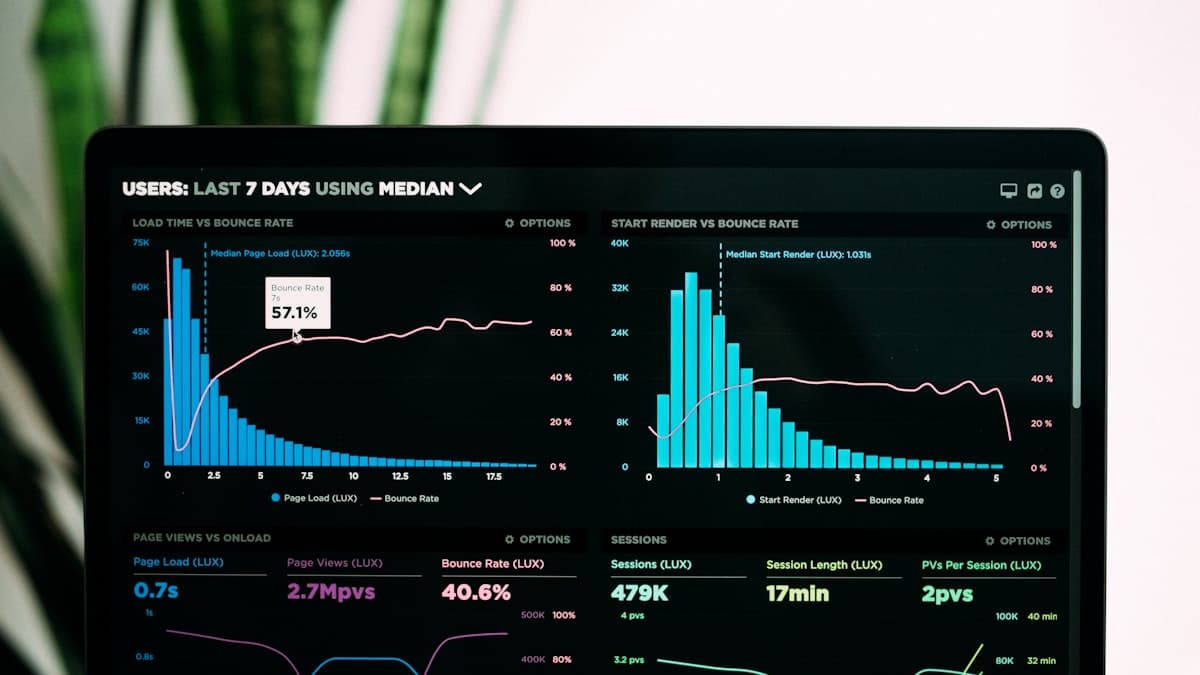
Data science can feel overwhelming when you are starting out — there are dozens of libraries, hundreds of algorithms, and endless tutorials. This roadmap cuts through the noise and gives you a clear, project-driven path from Python basics to production-ready machine learning.
1. Build a Solid Python Foundation
Before touching a single model, get comfortable with core Python: data types, comprehensions, functions, and working with files. You do not need to be an expert, but you should be able to read and write clean scripts without constantly looking up syntax.
Spend time in a notebook environment. Being able to experiment interactively, inspect data, and iterate quickly is what makes Python so well suited to data work.
2. Master the Core Data Stack
NumPy and Pandas are the backbone of almost every data science workflow. Learn how to load, clean, filter, group, and reshape data. Most real-world projects spend far more time on data preparation than on modelling — so this is time well invested.
"A model is only as good as the data you feed it. Master cleaning and exploration before you chase fancy algorithms."
— ThinkCraft Data Faculty
3. Learn to See Your Data
Visualization tools like Matplotlib and Seaborn turn rows of numbers into insight. Exploratory data analysis — plotting distributions, spotting outliers, and checking correlations — is where you actually understand a problem before modelling it.
4. Move Into Machine Learning
Start with scikit-learn and classic algorithms: linear and logistic regression, decision trees, and clustering. Focus on the workflow — train/test splits, cross-validation, and honest evaluation — rather than memorising every algorithm.
Once the fundamentals click, explore deep learning frameworks for problems involving images, text, or sequences. But do not skip the basics; most business problems are still solved with simpler, interpretable models.
5. Ship Real Projects
The fastest way to learn is to build. Pick a dataset you care about, frame a question, and take it end to end — from raw data to a deployed model or a clear report. A portfolio of three or four genuine projects is worth more than a dozen half-finished tutorials.